Pornography Addiction: Understanding the Behaviour, Impact, and Support
What is porn addiction?
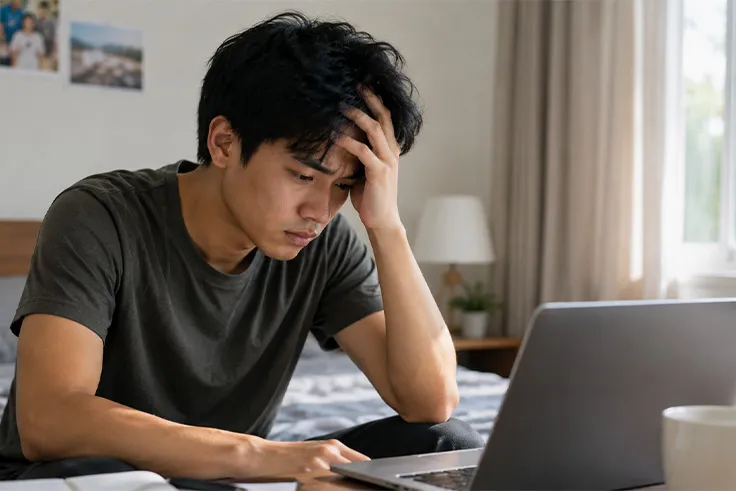
Porn addiction describes a pattern in which someone finds it difficult to control their pornography use, even when it begins affecting their emotions, relationships or daily life. Unlike occasional or intentional viewing, the behaviour may become compulsive or serve as a way to cope with stress, loneliness or emotional discomfort. It is better understood as a behavioural pattern that develops over time, rather than a sign of weak willpower or personal failure.
Why is porn addiction important to address?
Porn addiction matters because it can quietly affect emotional well-being, self-esteem, relationships, and daily functioning. Over time, people may notice increased anxiety, emotional numbness, irritability, or difficulty connecting with others. It can also impact focus at work, motivation, sleep, and intimacy, leading to a sense of disconnection from oneself and from meaningful relationships.
How Does Pornography Use Become Compulsive?
Pornography addiction often presents as compulsive use despite clear negative consequences. It may involve secrecy, loss of control, persistent preoccupation, and increasing tolerance, needing more time or more extreme content to achieve the same effect. Many people experience withdrawal-like responses such as irritability, restlessness, or anxiety when trying to reduce or stop.
Over time, this pattern can lead to relationship strain, emotional withdrawal, disrupted sleep, and neglect of responsibilities. Individuals may find themselves hiding their use, lying about it, or spending increasing amounts of time engaging with pornography, creating a growing disconnect between fantasy and real-life intimacy. This cycle is often accompanied by shame and guilt, which can further impact mental health, emotional well-being, and daily functioning.
How does pornography addiction commonly show up?
Porn addiction often shows up in everyday patterns rather than extreme behaviours, such as:
- Using pornography repeatedly to cope with stress, loneliness, or emotional discomfort
- Feeling unable to stop despite setting personal limits
- Choosing pornography over sleep, work tasks, or social connections
- Experiencing guilt, shame, or emotional low mood after viewing, but continuing the cycle
These patterns are about loss of control, not frequency alone.
Short-term relief vs Long-term impact
Short-term pros:
- Temporary stress relief or emotional escape
- Brief sense of comfort or distraction
- Quick way to avoid uncomfortable feelings
Long-term Cons:
- Increased guilt, shame, or emotional numbness
- Reduced motivation and focus
- Difficulty with intimacy and connection
- Growing dependence as a coping mechanism
- Worsening anxiety or low mood over time
Common misunderstandings about pornography addiction
Some common misconceptions include:
- “It’s not a real issue unless it’s extreme”
- “I can stop anytime if I really want to”
- “It means something is wrong with me”
Porn addiction is not about weakness or character. Many people underestimate the influence of habit formation and emotional regulation on behaviour.HealthHub Singapore explains that addictions can involve substances or activities and may affect mental health, relationships and overall wellbeing.
When to seek support?
It may be helpful to seek support if pornography use:
- Feels compulsive or out of control
- Is affecting relationships, work, or emotional health
- Is followed by guilt, shame, or emotional distress
- Is used as the main way to cope with stress or loneliness
Seeking help is a healthy and proactive step, not a sign of failure.
How can counselling help with porn addiction?
With the help of a mental health specialist, an individual can learn to identify what led to their maladaptive behaviours and unmet needs. Over time, as a team, both the patient and counsellor can develop strategies to help the individual manage and overcome their addiction to porn.
You don’t have to navigate this alone
If porn use feels confusing, distressing, or difficult to manage, support is available. Seeking professional counselling in Singapore can help you understand what may be happening beneath the behaviour and develop healthier ways to cope.
At Incontact, our counsellors provide confidential and compassionate counselling in Singapore, supporting individuals as they move towards greater clarity, balance, and emotional well-being..
You are welcome to reach out when you feel ready.
Submit a Comment
Your email address will not be published. Required fields are marked *
Frequently Asked Questions
A porn-watching habit becomes a problem when it interferes with your daily life, when you want to stop but can’t, when it affects your relationships, and when it causes problems for you at work or school. Mental health experts differ on whether porn actually meets the medical definition of addiction. But it may be part of compulsive sexual behaviour.
There’s no official definition of a porn addiction. Experts suggest you look instead at how watching porn affects your everyday life.
If you think you need help with your porn-watching habit, you may want to seek therapy. Some medications might be helpful, especially if you have an underlying mental health condition. You also might consider a support group.
Yes. For some individuals, excessive or compulsive use can lead to emotional distance, reduced intimacy, unrealistic expectations, or communication difficulties. These impacts vary and often depend on how pornography is being used and discussed within the relationship.
Porn addiction is commonly understood as a behavioural or compulsive pattern, even though terminology may vary. What matters most is not the label, but whether the behaviour is causing distress or interfering with daily life.
Counselling may help if pornography use feels out of control, causes emotional distress, affects relationships, or becomes your main way of coping with complicated feelings.
Recent Blogs
5 Ways to Stay Connected With Your Spouse After Having Kids
8 October, 2026
Having children can change a relationship in ways couples do not always expect. Daily life may shift to feeding schedules, school runs, household responsib...

Mental Health, Stress & Burnout
When Achievement Doesn’t Feel Like Enough
17 September, 2026
Achievements may stop feeling satisfying when self-worth becomes closely tied to performance, recognition, productivity, or meeting expectations. Instead o...

Mental Health, Stress & Burnout
Digital Burnout: Signs You Need a Break
7 September, 2026
Many of us spend much of our day online. We check messages when we wake up, reply to emails at work, scroll through social media during breaks, use screens...

