The Silent Distance in Sibling Relationships
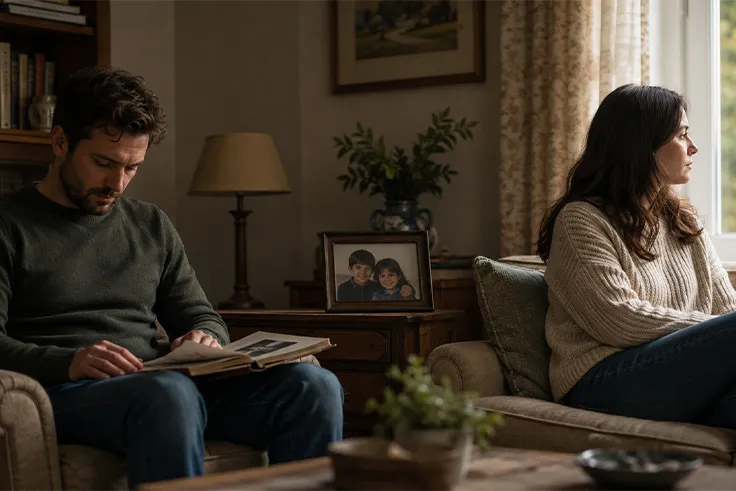
Sometimes, the distance between siblings does not begin with a fight. It begins quietly.
A missed call. A shorter reply. A family gathering where conversations feel polite but no longer close. Over time, the sibling who once knew your childhood secrets may start to feel like someone you only update during festivals, birthdays, or family emergencies.
Sibling relationships can be among the longest we experience in life. They often carry shared memories, family history, childhood roles, and unspoken emotions. Yet, many people find that as they grow older, these relationships change in ways that feel confusing, painful, or even lonely.
The quiet drift between siblings is more common than we think, especially in adult sibling relationships. And while emotional distance can feel difficult to discuss, it can also be an opportunity for reflection, healing, and reconnection.
Why Sibling Relationships Change in Adulthood
As children, siblings often share the same home, routines, parents, and daily experiences. But adulthood changes the structure of the connection.
One sibling may move away, start a family, or focus on work or caregiving. Differences in lifestyle, responsibilities, and emotional capacity often affect how often siblings communicate and how involved they remain in each other’s lives.
Sometimes, changes happen gradually – life becomes busy, and the sibling relationship receives less attention.
In other cases, the distance may be emotionally protective. A sibling may pull away because certain interactions bring back old hurt, comparison, criticism, or feelings of being misunderstood.
Common Causes of Sibling Emotional Distance
Sibling emotional distance does not always have a single clear cause. It is often shaped by many small experiences over time.
Different childhood experiences
Even siblings raised in the same family can have very different emotional experiences. One child may have felt responsible, another may have felt overlooked, and another may have felt constantly compared. These early patterns can quietly influence adult connection.
Unspoken resentment
Old arguments, parental favouritism, unfair responsibilities, or feeling unsupported during difficult times can leave emotional residue. When these feelings are never discussed, they may turn into silence.
Different communication styles
One sibling may want emotional closeness, while another may prefer practical updates. One may avoid conflict, while the other may want to talk things through. These differences can create misunderstandings.
Family roles that never changed
In many families, siblings continue to be seen through childhood roles: “the responsible one,” “the difficult one,” “the successful one,” or “the sensitive one.” These labels can make it hard for siblings to see each other as adults.
The Impact of Unresolved Childhood Dynamics
Childhood dynamics do not always stay in childhood.
A small comment from a sibling may feel bigger than intended because it touches an old wound. A disagreement about family responsibilities may bring back years of feeling unsupported. A sibling’s success may trigger comparison, not because there is no love, but because the family system once made love feel conditional.
This is why adult sibling relationships can sometimes feel emotionally complicated. The present conversation may not only be about the present. It may carry years of unspoken history.
Healing begins when we gently ask: “What am I reacting to right now – this moment, or something older?”
Signs of Emotional Disconnection Between Siblings
Sibling relationships may be drifting if:
- You only speak when necessary or during family events.
- Conversations feel surface-level or tense.
- You avoid sharing personal updates.
- One sibling feels they are always the one reaching out.
- Old resentment appears during small disagreements.
- There is politeness, but little emotional warmth.
- You miss the relationship but do not know how to restart it.
Recognising these signs is not about blaming yourself or your sibling. It is about noticing what has changed and what may need care.
But is it possible for sibling distance to heal or change in adulthood?
Yes, many sibling relationships can heal, but healing may not always mean becoming extremely close again.
Healing may mean honest conversations, healthier boundaries, or gently accepting a new dynamic that’s more respectful yet different from before.
Reconnection takes patience as both may need time to feel safe and understood.
Ways to Reconnect and Communicate Better
Start small
You do not need to begin with a deep conversation. A simple message, shared memory, or checking in without expectation can create a small opening.
Speak from your experience
Instead of saying, “You never care,” try, “I have missed feeling close to you.” This reduces defensiveness and makes space for emotional honesty.
Acknowledge the past gently
If there has been hurt, it may help to name it carefully. For example, “I know we have had some distance between us, and I would like to understand it better.”
Respect different capacities
Not every sibling may be ready for emotional conversations. Reconnection works best when it does not feel forced.
Build a new adult relationship
Sometimes siblings need to meet each other again as adults, not just as people from the same childhood. Ask about their life now, their stress, their hopes, and their emotional world.
When Counselling May Help
Counselling can help when emotional distance between siblings is affecting your wellbeing, family interactions, or sense of belonging.
Therapy offers a space to understand family patterns, childhood wounds, comparison, guilt, resentment, and communication difficulties. Even if your sibling does not attend counselling with you, individual therapy can help you process the relationship with more clarity and compassion.
Counselling can also support you in setting boundaries, preparing for difficult conversations, and understanding what kind of connection is emotionally healthy for you. In situations where there has been serious harm or trauma within the sibling relationship, it may be especially helpful to seek trauma-informed counselling. Trauma-sensitive support can provide safety, validation, and skilled guidance for working through more complex or painful histories.
Conclusion
The quiet drift between siblings can feel deeply painful because it often involves love, history, and loss simultaneously.
Sibling relationships may change with adulthood, but distance does not always mean the bond is gone. Sometimes, it means the relationship needs a new language, one built on honesty, boundaries, emotional maturity, and care.
Whether reconnection happens through small conversations, deeper reflection, or counselling support, healing begins with acknowledging that the relationship matters – and that your feelings around it matter too.
If family relationships are affecting your emotional well-being, speaking to a counsellor can help you understand what you are carrying and explore healthier ways to relate, reconnect, or find peace.
At Incontact Counselling, we offer a safe and supportive space to explore family dynamics, unresolved childhood patterns, and relationship difficulties. Counselling can help you process what you are carrying, set healthier boundaries, and find ways to reconnect or move forward with more clarity and compassion.
Submit a Comment
Your email address will not be published. Required fields are marked *
Frequently Asked Questions
Sibling relationships may grow distant due to life changes, differing priorities, unresolved childhood issues, communication gaps, or emotional wounds left unaddressed.
Yes, emotional distance between siblings is common, especially in adulthood. However, if the distance feels painful or affects your well-being, it may be helpful to reflect on what caused it.
Adult sibling relationships can improve when there is openness, patience, respectful communication, and a willingness to understand each other beyond childhood roles.
Start with small, low-pressure communication. Share a memory, check in gently, or express that you would like to rebuild the connection without forcing an immediate deep conversation.
Yes. Counselling can help you understand family dynamics, process unresolved hurt, improve communication, and decide what kind of relationship feels healthy for you.
Recent Blogs

5 Ways to Stay Connected With Your Spouse After Having Kids
8 October, 2026
Having children can change a relationship in ways couples do not always expect. Daily life may shift to feeding schedules, school runs, household responsib...

Mental Health, Stress & Burnout
When Achievement Doesn’t Feel Like Enough
17 September, 2026
Achievements may stop feeling satisfying when self-worth becomes closely tied to performance, recognition, productivity, or meeting expectations. Instead o...

Mental Health, Stress & Burnout
Digital Burnout: Signs You Need a Break
7 September, 2026
Many of us spend much of our day online. We check messages when we wake up, reply to emails at work, scroll through social media during breaks, use screens...

