Acrophobia (Fear of Heights) in Singapore
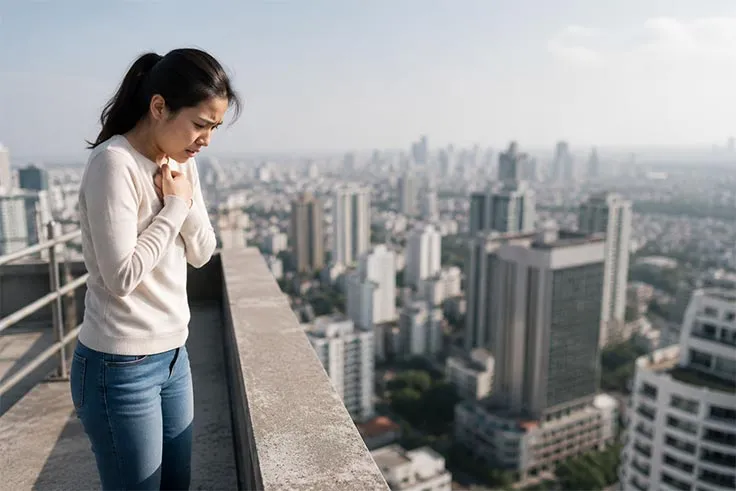
Acrophobia, more commonly known as the fear of heights, according to some research, is one of the most predominant phobias in the world. Upto one in twenty people suffer from this disorder, an older study states. This fear can cause a lot of anxiety, panic and distress which is strong enough to disrupt a person’s daily functioning.
Anyone suffering from this phobia would try to avoid places at high altitudes. The differentiator between a normal discomfort felt at height altitudes and acrophobia is the intense panic and anxiety that it comes with which prompts avoidance-based behaviours in the person suffering from it. People with acrophobia thus tend to refuse going out into the balcony of a place, stepping onto a ladder, an airplane, etc. Acrophobia, like most other phobias, is a very limiting disorder as it makes people restrict the places they could go to, and the opportunities they could have in life.
The first step to learning how to overcome the fear of heights is understanding it fully. Read on further to find out more about acrophobia and its symptoms, causes, treatment and diagnosis.
Acrophobia Meaning
Acrophobia refers to the intense irrational fear of heights. Even the thought of a high place can cause a lot of anxiety and, in some cases, even a full blown panic attack episode.
Acrophobia falls under the category of specific phobias. The DSM-5 (Diagnostic and Specific Manual of Mental Disorders) this phobia of heights as a natural environment type of phobia.
Acrophobia Symptoms
The major symptom experienced in this disorder is the feeling of intense anxiety and panic associated with heights. Extreme heights may trigger this fear for some people, while for others, any kind of height can lead to the onset of anxiety episodes and other symptoms.
The symptoms can mainly be categorized into two categories, physical and psychological. They are as follows:
Physical Symptoms:
- Increased heartbeat and sweating, chest pain or tightness felt in the chest when in a situation or having a thought that involves being in high places
- Feeling dizzy and unable to find balance in the physical body when looking down from a height
- Avoiding heights as much as possible, even if it comes at the cost of limiting one’s life choices
- Shaking and trembling at the sight of heights
- Feeling dizzy, nauseous, or lightheaded at the thought of heights or when at a high altitude
Psychological Symptoms:
- Feeling panicky when seeing a high place or thinking about being at a height, or having to go up to a high place
- Excessive worrying about encountering heights
- Intense, paralyzing fear of being trapped in a place situated at a high altitude
- Experiencing feelings of anxiety and fear when having to look out the window, climbing up the stairs, or driving on a fly-over
People can also experience a full blown panic attack when exposed to their triggers when they have a specific phobia. For acrophobia, too, this is the case. Following are the symptoms of a panic attack:
- Shortness of breath and hyperventilation
- Shaking, trembling
- A feeling of choking
- Palpitations or increasing heart beat
- Nausea
- Diarrhea
- Chest pain and discomfort
- Hot and cold flashes
- Numbness
- Tingling sensations in the limbs
- A feeling of dizziness and light-headedness
- Sweating
- Abdominal pain
- Depersonalization: Feeling detached from oneself
- Derealization: feelings of unreality
- A fear of going crazy, dying or losing control
Acrophobia Causes
Acrophobia, in most cases, develops when a person goes through a traumatic experience which involves heights, for example; falling from a high place, witnessing someone else fall from a high place, or having a panic attack or any other negative experience while in a high place.
However, acrophobia can also develop without any known cause. Some risk factors are there which increase the likelihood of someone developing this disorder. They are either environment or genetics related. For instance, if someone in your family has a history of phobias or acrophobia, then you’re more likely to develop this phobia. Moreover, it can also be a learned response picked up from a role model.
Another theory, called evolved navigation theory, suggests that certain human processes like the perception of height have been adapted due to natural selection. Some people perceive objects as taller which reduces their risk for dangerous falls.
Acrophobia Diagnosis
For diagnosis, you should approach a mental health professional as only they can diagnose phobias. You can approach one with the referral of a healthcare provider.
Some medical causes, firstly, need to be ruled out with a physical examination which is a part of the diagnosis. Then, by some other means and some psychological tests, your mental health care provider would mainly try to confirm the following:
- You actively avoid heights and this avoidance-based approach is limiting you to the extent that it disrupts your daily functioning
- You spend an excessive amount of time worrying about encountering heights in future and this time spent ever so wastefully also negatively impacts your daily life
- You get very anxious, panicky and a paralyzing fear takes over you when you encounter heights
- You have been facing a lot of trouble for the past few months due to these symptoms, and these symptoms have been there for at least 5-6 months.
Acrophobia Treatment
The treatment of all phobias, like acrophobia, can involve therapeutic techniques, medication, or a combination of both.
Therapies can be of different types depending on the signs and symptoms and their severity of the client. Some of the therapeutic interventions used for treating phobias include eye movement desensitization reprocessing therapy (EMDR) which is based on some concepts of cognitive behavioural therapy (CBT) which is also used for treating phobias, systematic desensitization, and exposure therapy among others.
Medication for phobias includes antidepressants, and anti-anxiety medication to reduce the emotional and physical reactions of fear.
Why Seeking Help Is Important
If your condition has begun to interfere with your daily functioning and is negatively affecting most or all aspects of your life, seeking help is a crucial step that you must take. Even though it may be difficult to gather the courage to do so, you must see a mental health professional for your phobia(s). Remember that mental health disorders can be treated and are manageable, and your life has the potential to be the most fruitful, wholesome and enjoyable experience. So, joining a support group, going for therapy and taking your prescribed medication (if any) is absolutely critical. The outcome that you’d gain would be a deeper understanding of yourself and your condition, the ability to form better relationships and find more meaningful connections, and skills that help you manage your condition and excel in life.
Fear of heights affecting your daily life? Learn acrophobia symptoms, causes, and treatment options in Singapore. Get support from experienced therapists.Submit a Comment
Your email address will not be published. Required fields are marked *
Frequently Asked Questions
Acrophobia is an intense fear of heights that can cause anxiety, dizziness, panic, or avoidance of elevated places. It is a type of anxiety disorder that may interfere with daily life but can be effectively treated with therapy.
Common symptoms of acrophobia include rapid heartbeat, sweating, dizziness, trembling, nausea, and a strong urge to avoid heights. Some individuals may also experience panic attacks when exposed to high places.
Acrophobia can develop due to past traumatic experiences, learned behaviour from family members, or heightened sensitivity to danger. Psychological factors and anxiety disorders also play a role in its development.
Yes, acrophobia is treatable. Therapies such as Cognitive Behavioural Therapy (CBT), exposure therapy, and counselling can help individuals gradually reduce fear and build confidence in managing heights.
Overcoming fear of heights involves gradual exposure, learning relaxation techniques, and understanding emotional triggers. Working with therapists in Singapore can provide structured support and effective coping strategies.
You should seek help if your fear of heights affects your daily activities, relationships, or work. Couple counselling at Incontact and therapy sessions with experienced therapists in Singapore can help you manage anxiety and improve quality of life.
Recent Blogs

5 Ways to Stay Connected With Your Spouse After Having Kids
8 October, 2026
Having children can change a relationship in ways couples do not always expect. Daily life may shift to feeding schedules, school runs, household responsib...

Mental Health, Stress & Burnout
When Achievement Doesn’t Feel Like Enough
17 September, 2026
Achievements may stop feeling satisfying when self-worth becomes closely tied to performance, recognition, productivity, or meeting expectations. Instead o...

Mental Health, Stress & Burnout
Digital Burnout: Signs You Need a Break
7 September, 2026
Many of us spend much of our day online. We check messages when we wake up, reply to emails at work, scroll through social media during breaks, use screens...

