ANXIETY
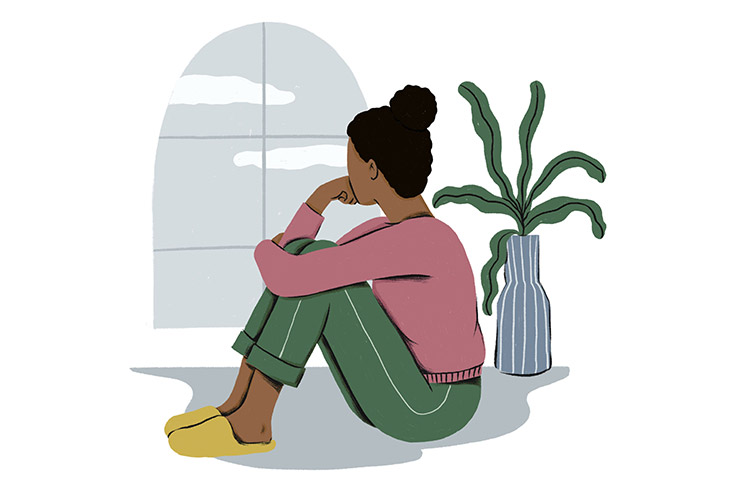
Anxiety is your body’s natural response to stress. It’s a feeling of fear or apprehension about what’s to come. In most cases it causes people to feel fearful and nervous. Anxiety is a normal and often healthy emotion. However, when a person regularly feels disproportionate levels of anxiety, it might become a medical disorder.
Anxiety is a key part of several different disorders :
- Panic Disorder: Experiencing recurring panic attacks at unexpected times. A person with panic disorder lives in constant fear .
- Agoraphobia: Excessive fear of a specific object, situation, or activity.
- Social Anxiety disorder: Extreme fear of being judged by others in social situations.
- Obsessive-Compulsive Disorder: Recurring irrational thoughts that lead you to perform specific, repeated behaviors.
- Separation Anxiety Disorder: Fear of being away from home or loved ones.
- Illness Anxiety Disorder: Anxiety about your health (formerly called hypochondria).
- Post Traumatic stress disorder (PTSD): Anxiety following a traumatic event.
- Selective Mutism: A somewhat rare disorder associated with anxiety. Selective mutism occurs when people fail to speak in specific social situations despite having normal language skills.

Symptoms of Anxiety :
- Panic, fear, and uneasiness
- Sleep problems
- Not being able to stay calm and still
- Cold, sweaty, numb or tingling hands or feet
- Shortness of breath
- Heart palpitations
- Dry mouth
- Nausea
- Tense muscles
- Dizziness.
Self-treatment (natural remedies are used for anxiety) :
- Getting enough sleep
- Meditating
- Staying active and exercising
- Eating a healthy diet
- Quit smoking cigarettes
- Avoiding alcohol and caffeine
Other Treatments for Anxiety :
- Counselling: A standard way of treating anxiety is psychological counseling.
- CBT ( Cognitive Behavioral Therapy) :This type of psychotherapy aims to recognize and change harmful thought patterns that form the foundation of anxious and troublesome feelings.
- Combination of counselling and therapy.

Prevention of Anxiety :
- Cut down on intake of caffeine, tea, cola, and chocolate.
- Ask your doctor or pharmacist before using over-the-counter (OTC) or herbal remedies, for any chemicals that may make anxiety symptoms worse.
- Eat right and maintain a healthy diet.
- Keep a regular sleep pattern.
- Avoid alcohol, cannabis, and other recreational drugs.
- Get help early. Anxiety, like many other mental health conditions, can be harder to treat if you wait.
Post Written By: InContact Counselling & Training. For rights to reproduce post, please connect with us on admin@incontact.com.sg
Submit a Comment
Your email address will not be published. Required fields are marked *
Recent Blogs

Mental Health, Stress & Burnout
When Achievement Doesn’t Feel Like Enough
17 September, 2026
Achievements may stop feeling satisfying when self-worth becomes closely tied to performance, recognition, productivity, or meeting expectations. Instead o...

Mental Health, Stress & Burnout
Digital Burnout: Signs You Need a Break
7 September, 2026
Many of us spend much of our day online. We check messages when we wake up, reply to emails at work, scroll through social media during breaks, use screens...

Overcoming Negative Thought Patterns
27 August, 2026
All of us experience negative thoughts from time to time. We may think, “I’m not good enough,” “I always mess things up,” “Nobody really cares,...

