ANXIETY
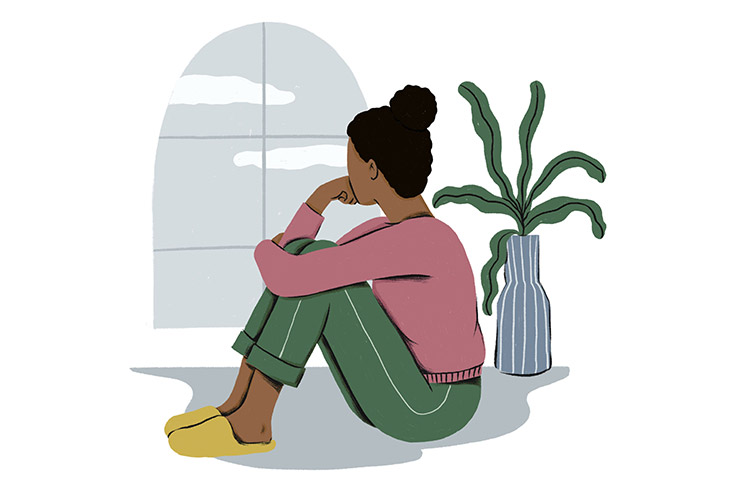
Anxiety is your body’s natural response to stress. It’s a feeling of fear or apprehension about what’s to come. In most cases it causes people to feel fearful and nervous. Anxiety is a normal and often healthy emotion. However, when a person regularly feels disproportionate levels of anxiety, it might become a medical disorder.
Anxiety is a key part of several different disorders :
- Panic Disorder: Experiencing recurring panic attacks at unexpected times. A person with panic disorder lives in constant fear .
- Agoraphobia: Excessive fear of a specific object, situation, or activity.
- Social Anxiety disorder: Extreme fear of being judged by others in social situations.
- Obsessive-Compulsive Disorder: Recurring irrational thoughts that lead you to perform specific, repeated behaviors.
- Separation Anxiety Disorder: Fear of being away from home or loved ones.
- Illness Anxiety Disorder: Anxiety about your health (formerly called hypochondria).
- Post Traumatic stress disorder (PTSD): Anxiety following a traumatic event.
- Selective Mutism: A somewhat rare disorder associated with anxiety. Selective mutism occurs when people fail to speak in specific social situations despite having normal language skills.

Symptoms of Anxiety :
- Panic, fear, and uneasiness
- Sleep problems
- Not being able to stay calm and still
- Cold, sweaty, numb or tingling hands or feet
- Shortness of breath
- Heart palpitations
- Dry mouth
- Nausea
- Tense muscles
- Dizziness.
Self-treatment (natural remedies are used for anxiety) :
- Getting enough sleep
- Meditating
- Staying active and exercising
- Eating a healthy diet
- Quit smoking cigarettes
- Avoiding alcohol and caffeine
Other Treatments for Anxiety :
- Counselling: A standard way of treating anxiety is psychological counseling.
- CBT ( Cognitive Behavioral Therapy) :This type of psychotherapy aims to recognize and change harmful thought patterns that form the foundation of anxious and troublesome feelings.
- Combination of counselling and therapy.

Prevention of Anxiety :
- Cut down on intake of caffeine, tea, cola, and chocolate.
- Ask your doctor or pharmacist before using over-the-counter (OTC) or herbal remedies, for any chemicals that may make anxiety symptoms worse.
- Eat right and maintain a healthy diet.
- Keep a regular sleep pattern.
- Avoid alcohol, cannabis, and other recreational drugs.
- Get help early. Anxiety, like many other mental health conditions, can be harder to treat if you wait.
Post Written By: InContact Counselling & Training. For rights to reproduce post, please connect with us on admin@incontact.com.sg
Submit a Comment
Your email address will not be published. Required fields are marked *
Recent Blogs

5 Ways to Stay Connected With Your Spouse After Having Kids
8 October, 2026
Having children can change a relationship in ways couples do not always expect. Daily life may shift to feeding schedules, school runs, household responsib...

Mental Health, Stress & Burnout
When Achievement Doesn’t Feel Like Enough
17 September, 2026
Achievements may stop feeling satisfying when self-worth becomes closely tied to performance, recognition, productivity, or meeting expectations. Instead o...

Mental Health, Stress & Burnout
Digital Burnout: Signs You Need a Break
7 September, 2026
Many of us spend much of our day online. We check messages when we wake up, reply to emails at work, scroll through social media during breaks, use screens...

