How Is Mental Health Affected By Social Media
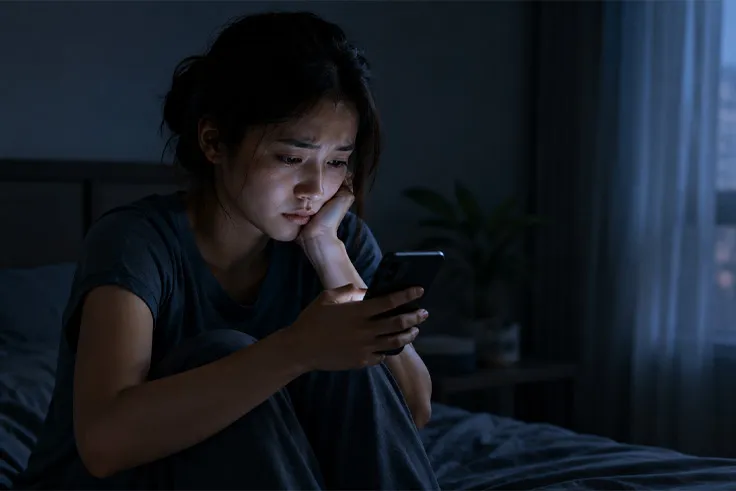
Social Media is Affecting Mental Health
Social Media has a powerful influence on mental health, with both positive and negative effects. While it can foster connection and belonging, excessive or unmindful use often contributes to anxiety, low self-esteem, and unhealthy comparison.
For many young people and adults alike, Social Media is not just a tool; it becomes an emotional environment. It can shape how individuals see themselves, relate to others, and regulate their emotions.
The Psychological Loop Behind Social Media Use
Social Media activates the brain’s reward system. Likes, comments, and notifications trigger dopamine, encouraging repeated checking and engagement.
Over time, this creates a loop:
Trigger → content draws attention
Brain Response → reward and validation
Emotional Impact → comparison, anxiety, self-doubt
Behaviour Pattern → scrolling and difficulty switching off
This can gradually shift behaviour from intentional use to automatic habits.

How Social Media Influences the Mind
Beyond the reward system, Social Media also affects attention, memory, and thinking.
Heavy use has been associated with:
- Reduced attention span: constant notifications and multitasking keep the brain in a state of divided attention
- Memory disruption: When experiences are documented rather than fully lived, memory encoding can be affected
- Cognitive overload: continuous input increases mental fatigue and reduces clarity
Young people are particularly vulnerable, as their sense of identity and self-worth is still developing. Frequent exposure to comparison and idealised content can influence how they see themselves and their place in the world, which can lead to:
- Feelings of inadequacy
- Self-doubt
- Pressure to present a certain image
Over time, individuals may begin to base their worth on external validation.
Other impacts include anxiety, addictive patterns, FOMO (Fear of Missing Out), sleep disruption, and cyberbullying. These can lead to Social Media fatigue, where individuals feel emotionally drained and disconnected.
The Positive Role of Social Media
Social Media is not inherently harmful. When used intentionally, it can offer a valuable sense of belonging through:
- Strengthening social connections
- Providing support networks
- Increasing mental health awareness
- Reducing stigma
What Makes the Difference?
Social Media affects people differently depending on their self-esteem level, emotional state, life circumstances, stage of development and how the platform is used
A key distinction is to be noticed between:
- Passive use (scrolling, comparing) tends to increase distress
- Active use (connecting, engaging meaningfully) that can be more supportive
Building a Healthier Relationship with Social Media
From a therapeutic point of view, it’s not just about time spent online, but what happens internally while using it. The goal is not to eliminate Social Media, but to restore choice and awareness in how it is used.
Many people are not just scrolling — they are comparing, seeking reassurance, or trying to manage difficult emotions. While this may help in the moment, it often leaves them feeling more tired or disconnected.
Social Media can also meet deeper emotional needs, such as connection or comfort. Becoming aware of this can help individuals move from automatic use to more intentional use.
Helpful strategies include
- Setting boundaries
By creating specific times for use and protecting rest periods (especially before sleep)
- Curating your environment
Noticing how content makes you feel. Reduce exposure to accounts that trigger comparison or distress
- Pause and check in
Ask yourself:
“How do I feel before I go on Social Media?”
“What am I looking for?”
“How do I feel afterwards?”
- Reduce automatic use
Turn off notifications, use app timers, or move apps off your home screen
Social Media can support connection and awareness, but unbalanced use can affect anxiety, self-esteem, and emotional well-being.
At Incontact Counselling & Training, our experienced counsellors in Singapore provide a safe and confidential space to explore anxiety, self-esteem, and emotional overwhelm. Through personalised counselling in Singapore, we help individuals build healthier coping strategies, emotional resilience, and greater self-awareness.
Submit a Comment
Your email address will not be published. Required fields are marked *
Recent Blogs

Mental Health, Stress & Burnout
When Achievement Doesn’t Feel Like Enough
17 September, 2026
Achievements may stop feeling satisfying when self-worth becomes closely tied to performance, recognition, productivity, or meeting expectations. Instead o...

Mental Health, Stress & Burnout
Digital Burnout: Signs You Need a Break
7 September, 2026
Many of us spend much of our day online. We check messages when we wake up, reply to emails at work, scroll through social media during breaks, use screens...

Overcoming Negative Thought Patterns
27 August, 2026
All of us experience negative thoughts from time to time. We may think, “I’m not good enough,” “I always mess things up,” “Nobody really cares,...

