Finding Calm: Simple Ways to Manage Anxiety
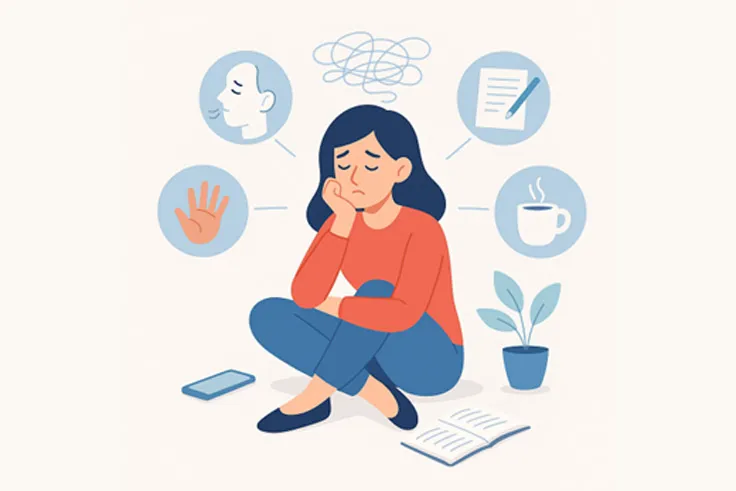
When anxiety hits, it can feel like a nonstop “what-if” reel in your head. Maybe your heart races, your stomach twists, or your mind spirals over things that haven’t even happened.
You’re not alone; about 1 in 5 adults experience anxiety each year. It can interfere with daily life, making work, school, or relationships harder. The good news? There are simple, practical steps you can take right now to quiet those thoughts and steady yourself.
Quick Strategies to Try
When anxious thoughts start racing, tiny habits can help ground you. Here are some easy, evidence-based steps you can try right away to calm your body and mind:
- Breathe deeply. Inhale slowly and exhale fully. Deep breathing exercises slow your heart rate and bring a sense of calm. Even a minute or two of focused breathing can cut through panic.
- Move your body. Go for a short walk or do a quick set of exercises. Physical activity releases tension and boosts mood. Even 30 to 60 seconds of squats, jumping jacks or a few yoga poses can help ease anxiety by shifting focus to your body. A little movement is better than none!
- Ground yourself with your senses. Pause and notice what’s around you: name 5 things you see, 4 things you hear, 3 things you can touch, 2 things you smell, and 1 thing you taste. This “5-4-3-2-1” exercise pulls you into the present moment and out of anxious spirals. Studies show grounding techniques like these can reduce panic by refocusing your mind.
- Write it out. Grab a notebook and jot down what’s worrying you. Writing helps identify patterns and can make problems feel more manageable. Research finds that regular emotion-focused journaling can actually reduce anxiety and distress over time. Even a few minutes of scribbling or bullet points can clear your head.
- Talk or connect with someone. Reach out to a friend or family member and say how you feel. Sharing worries can lighten the load. Simply venting to someone you trust can bring instant relief. One study notes that social support builds resilience to stress in the long run. Even a quick text or phone chat can help.
- Stick to a simple routine. Anxiety often feels worse when life feels chaotic. Try to keep a basic daily rhythm: get enough sleep, eat regular meals, and fit in some gentle exercise or breaks. The CDC recommends a routine of rest, healthy food and activity to help steady your mind. Small steps like these, even making your bed or taking a warm shower, can signal safety to your brain.
💡 Tip: Pick just one of these tools to try when anxiety spikes. Small actions add up over time.
Mythbusters
It’s easy to believe myths about anxiety. Here are a few to set straight:
Myth:Avoid stress at all costs.
Fact: Avoiding everything that makes you anxious usually makes anxiety stronger. In fact, treating yourself as if you are fragile and avoiding risk leads to feeling demoralised. It’s okay to feel nervous and still do what you need to do. Gradually facing small challenges builds confidence and reduces anxiety over time.
Myth: Anxiety means I’m weak
Fact: Anxiety is not a character flaw. Cognitive behavioural therapy and other treatments can help anyone manage anxious thoughts, no matter how long they’ve been dealing with worry. Being anxious doesn’t mean you’re weak; it means your brain is reacting to stress. Getting support and learning new coping skills takes courage, not weakness.
Myth: If I eat right and exercise, my anxiety will disappear.
Fact: Living healthily is excellent, but it may not fully cure anxiety on its own. Lifestyle changes can improve mood, but they’re just one piece of the puzzle. Often, anxiety persists because of deeper thought patterns or stresses. It’s fine (and beneficial) to keep doing things like walking, sleeping well, and avoiding too much caffeine, but remember: you might also need strategies like therapy, relaxation techniques, or support groups to really conquer anxiety.
Each person’s anxiety is unique, so pay attention to what works for you. The key is not to panic about the anxiety itself; instead, try different tools calmly and consistently.

Getting Support If You Need It
You don’t have to face anxiety alone. If worry feels too heavy or gets in the way of daily life, reaching out for help can make a big difference.
At InContact, our trained counsellors are here for you, whether things are really tough or you just need some guidance. You can book a session and talk through your concerns in confidence. Even if your situation isn’t an emergency, talking with a professional can teach you more coping skills and give you peace of mind. You deserve support, and reaching out to help yourself is a strong and positive step forward.
Submit a Comment
Your email address will not be published. Required fields are marked *
Recent Blogs
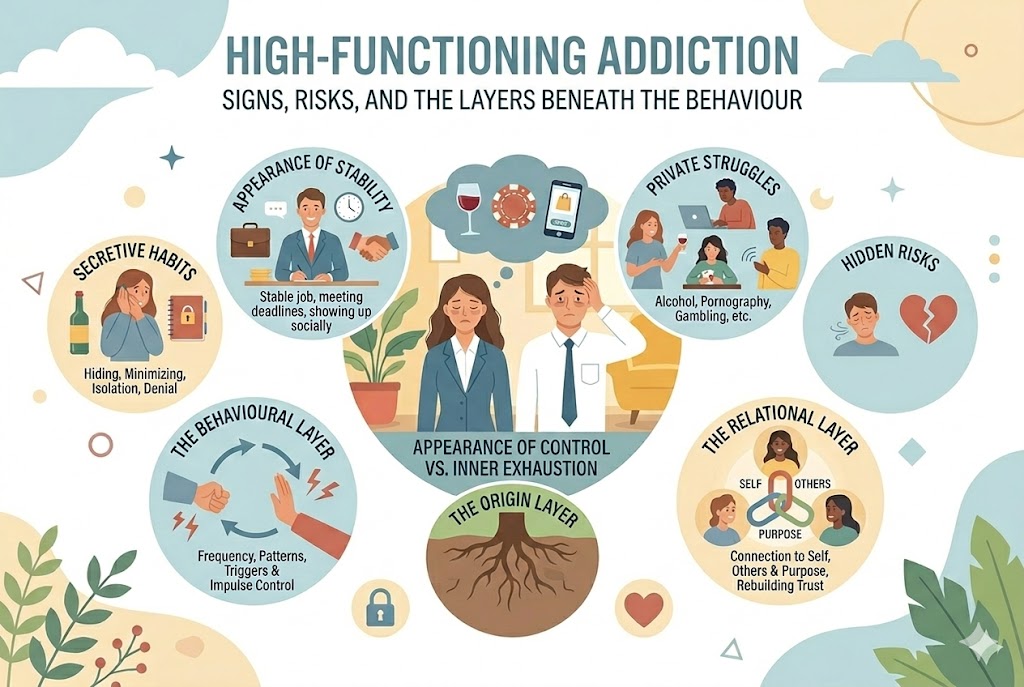
High-Functioning Addiction: Signs, Risks, and the Layers Beneath the Behaviour
5 March, 2026
Addiction isn’t always visible. Some individuals continue to work, parent, meet deadlines, and show up socially – all while privately struggling wi...
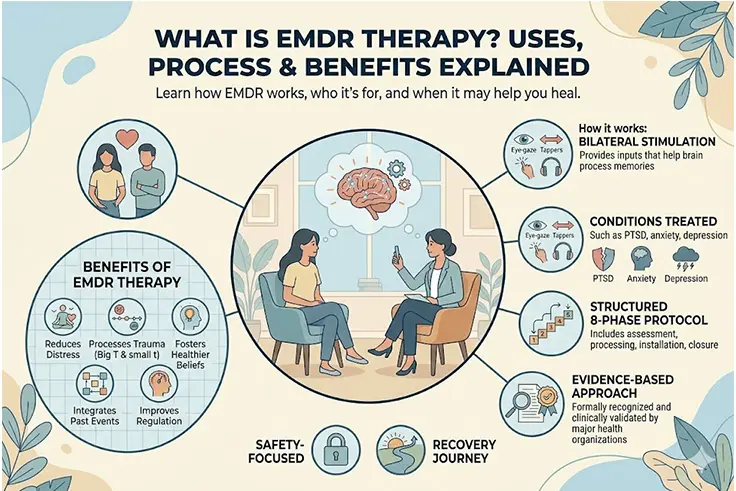
What Is EMDR Therapy? Uses, Treatment & Benefits Explained
2 March, 2026
What is EMDR therapy? EMDR (Eye Movement Desensitisation and Reprocessing) therapy is an evidence-based approach that helps individuals process and heal fr...
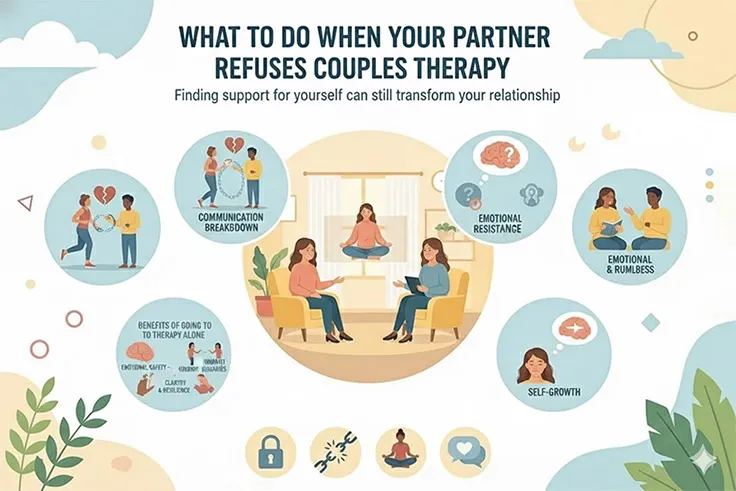
What to Do When Your Partner Refuses Couples Therapy
6 February, 2026
When a partner refuses couples therapy or a partner doesn’t believe in therapy, it can leave you feeling stuck, alone, and carrying the emotional weight ...

