Mind, Body, and Beyond: The Power of Holistic Counselling

Meet Grace. She’s a 26-year-old graduate student, juggling work, relationships, and the usual hum of self-expectation. On the outside, she looks like she’s keeping it all together. But before giving a presentation, her heart races so fast. Every time her phone buzzes late at night, her chest tightens. As soon as she wakes up, just opening her inbox brings a sinking feeling in her stomach.
Sounds familiar? It is a reality that many of us carry as stress, not only in our thoughts, but also manifests in our bodies. Reflect on when you were last stressed or anxious. Has it affected your focus at work, disrupted your sleep, impacted your gut, or even made you more irritable towards your loved ones? If you have ever felt this way, it’s your body’s way of feeling what your mind is going through.
This phenomenon is famously noted as the “fight-or-flight” response by psychologist Walter Cannon (1932). These symptoms are not “all in your head”; they are signs that your nervous system has been activated. This is where holistic counselling becomes powerful – because true healing does not just address what’s happening in your mind, but also what’s happening in your body, your emotions, and the way you live your life.
The Hidden Ways Stress Lives in the Body
According to neuroscience, stress and traumatic experiences can get “stored” in the nervous system and hormones, which is why you might be getting constant headaches, gut problems, or feeling drained after not really doing much. Our bodies remember what our minds are trying to move on from.
Gabor Maté’s (2003) trauma research extends this idea, as he describes trauma to be “a psychic wound that leaves a mark on the body.” Bessel van der Kolk (2014) further illustrates how the body “keeps the score”, with an example of a polar bear recovering from a threat: when it is tranquilised after being chased, it often wakes up shaking all over, instinctively releasing the stored stress and survival energy. Humans, on the other hand, are frequently taught to “hold it in” and avoid such instinctive releases. Therefore, this unprocessed emotion becomes ingrained in our muscles, breathing patterns, and bodily systems. Over time, it can manifest as anxiety disorders or depression.
So when we say that counselling not only explores what you think but also how you feel, it is a holistic way of understanding your experience. Healing becomes possible when we work with you as a whole, your mind and your body.
Why We Shouldn’t Stay Disconnected From Our Bodies
Despite this understanding, people still stay disconnected from how their body feels in relation to what their mind thinks. For Grace, it is cultural conditioning. Hearing phrases like “Don’t cry”, “Don’t overreact”, or “Be strong” taught her to consider these physical signs as weaknesses. Over time, this has eroded her ability to trust her own perceptions. Frequently hearing “You’re too sensitive” has made Grace ignore the knot in her stomach, believing these signals are invalid.
This disconnection is even more complex for neurodivergent individuals.
Interoception – the ability to sense the internal state of the body- is often altered in conditions such as autism and ADHD.
Research has shown that autistic individuals may struggle to identify sensations like hunger, heartbeat, or breathlessness (Garfinkel et al., 2016). This makes it difficult for them to regulate their emotions, as the body’s cues and the mind’s awareness are out of sync. In daily life, this might look like not realising you’re anxious until you’re already in meltdown, or not noticing stress until you’re physically exhausted.
The cost of this disconnection is significant. It is essential to be in tune with your body; if not, it becomes hard to realise when you are triggered or burnt out. Many, including Grace, describe this experience as “living in my head” or “being cut off from myself.” This is often a result of your feelings being invalidated, chronic stress, or neurological reasons.
Holistic counselling aims to rebuild this bridge. Simple practices like breath awareness or grounding techniques can improve interoceptive awareness. You can learn how to notice these subtle signs of stress before escalating. Therapy, therefore, becomes not only about talking about problems, but also learning how to listen to your body, especially when the world has taught you to dismiss it.
Therapeutic Ways to Reconnect with Yourself
Holistic counselling involves the use of evidence-based methods to restore your mind–body connection:
- Somatic practices such as grounding, progressive muscle relaxation, and body scanning help you notice tension patterns before they escalate into panic mode.
- Mindfulness-based stress reduction increases awareness of bodily sensations, supporting emotional regulation.
- Acceptance and Commitment Therapy (ACT) allows you to explore your own identity – not just as a partner, parent, or employee, but as a human being.
- Collaboration with health coaches or allied practitioners may address nutrition, sleep, and physical activity – influencing mood and resilience. Research on the gut–brain axis, for example, shows that microbiome health plays a role in emotional well-being (Cryan & Dinan, 2012).
Through these approaches, therapy becomes more than just addressing your symptoms, but also a process of self-discovery.
Systemic Way of Healing
Now circling back to Grace. Her healing is not only shaped by what happens in the therapy room, but also by her daily habits, relationships and physical health. This could be not checking her inbox first thing in the morning. Addressing such systemic influences increases the likelihood of her changes actually lasting.
Holistic counselling is not just “fixing” one problem, but about recognising that you are more than just this one problem that you bring into a therapy room. So when we say ‘holistic’, we really mean understanding all of you – your mind, body, emotions, relationships and even your environment. In that way, therapy becomes not just treatment, but a practice of caring for the entire self.
The Fight-or-Flight Response: A Cornerstone of Stress Research – ScienceDirect
What is Psychological Trauma? How Does It Heal?
The body keeps the score: Brain, mind, and body in the healing of trauma.
Book Review: The Body Keeps the Score: Brain, Mind, and Body in the Healing of Trauma – PMC
What is interoception, and how does it affect mental health? 5 questions for April Smith
Health Benefits of Mindfulness-Based Stress Reduction
Mind-altering microorganisms: the impact of the gut microbiota on brain and behaviour – PubMed
“ Generative AI used as an assistive tool: https://chatgpt.com “
Submit a Comment
Your email address will not be published. Required fields are marked *
Recent Blogs
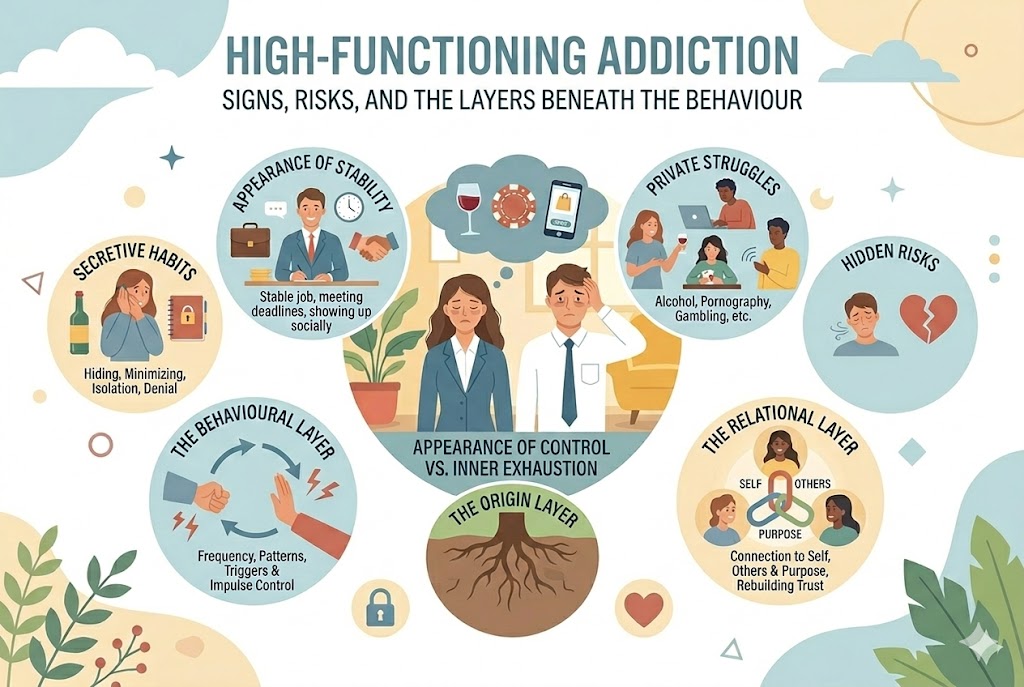
High-Functioning Addiction: Signs, Risks, and the Layers Beneath the Behaviour
5 March, 2026
Addiction isn’t always visible. Some individuals continue to work, parent, meet deadlines, and show up socially – all while privately struggling wi...
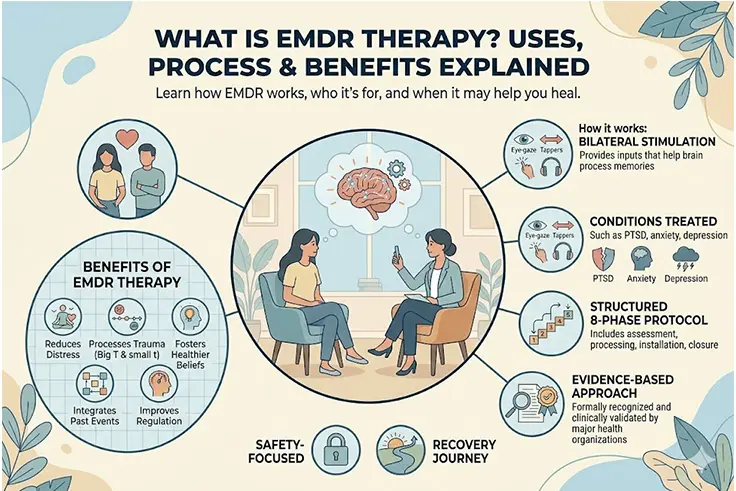
What Is EMDR Therapy? Uses, Treatment & Benefits Explained
2 March, 2026
What is EMDR therapy? EMDR (Eye Movement Desensitisation and Reprocessing) therapy is an evidence-based approach that helps individuals process and heal fr...
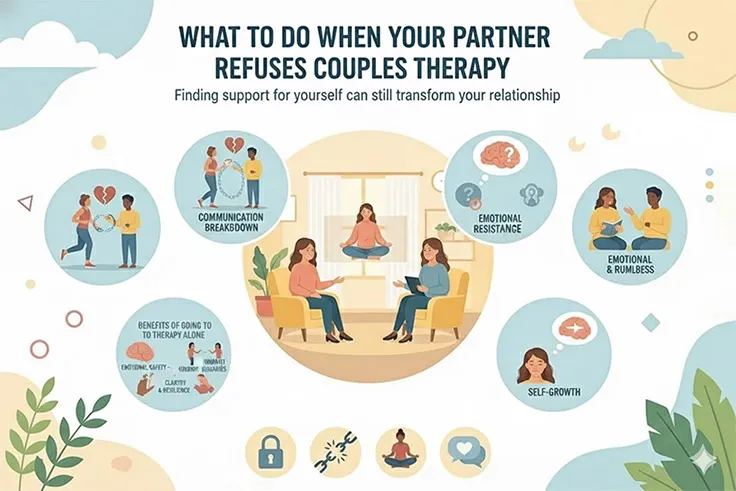
What to Do When Your Partner Refuses Couples Therapy
6 February, 2026
When a partner refuses couples therapy or a partner doesn’t believe in therapy, it can leave you feeling stuck, alone, and carrying the emotional weight ...

