The Power of Naming Your Emotions: Why Labelling How You Feel Matters
Have you ever felt upset or “off” but couldn’t find the right word for it? It turns out that naming your feelings can help you better understand and manage them. Learning to label your emotions is a simple step toward better self-awareness and stronger relationships. In other words, “name it to tame it” really works. Let’s explore why labelling how you feel matters.
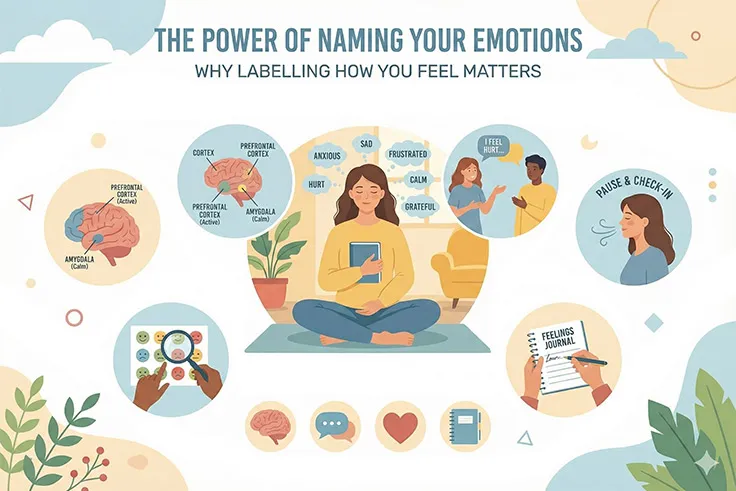
A woman practices mindful awareness of her feelings. Naming your emotions can bring clarity and calm by engaging the brain’s thinking centre while quieting its stress response.
Why Naming Your Feelings Calms You Down
Brain research shows that when you put feelings into words, your prefrontal cortex, the brain’s rational thinking centre, activates, and your amygdala, the stress alarm, settles down. In plain language, naming your emotions turns down the volume on intense feelings and gives you a moment of calm and clarity.
Some people worry that focusing on a negative emotion will make it worse.
Myth busted: It’s usually the opposite. Labelling an emotion creates a healthy distance and reduces your reactivity. By simply saying “I’m frustrated” instead of stewing in it, you start to defuse its power, making the feeling less overwhelming.
Emotional Literacy and Self-Awareness
Building a richer emotional vocabulary is key to understanding yourself and sharpening your emotional awareness. Emotional literacy, recognising your feelings and naming them, is the foundation of emotional intelligence. When you recognise you’re not just “sad” but disappointed, or not simply “angry” but hurt, you gain insight into what you really need. Often, naming a specific feeling can instantly dial down its intensity. Realising you’re “annoyed” instead of furious puts things in perspective and helps you stay in control.
Better Relationships Through Naming Emotions
Naming your emotions also improves your relationships. When you clearly say “I feel hurt that I was left out,” you give others a roadmap to understand you. Instead of lashing out or shutting down, you’re communicating openly. This kind of clarity builds trust because others aren’t left guessing about your feelings.
Quick Tips to Practice Naming Your Feelings
- Pause and check in: When a strong feeling hits, pause and take a deep breath. Ask yourself, “What am I feeling right now?”
- Get specific: Skip vague labels like “bad” or “upset”. Are you anxious or embarrassed? Choosing the right word brings clarity.
- Practice mindfulness: Mindfulness and emotions go hand in hand. Notice your body’s signals, like tension or butterflies, and name the feeling without judgment. Even just thinking “I’m anxious” can make it less intense.
Embrace Emotional Awareness
Naming your emotions is a simple habit with big benefits: more self-awareness, relief, and better control. Instead of being ruled by a storm of unnamed feelings, you become more grounded and intentional. Each time you put a name to what you feel, you strengthen your brain’s capacity for balance and resilience.
You don’t have to navigate your emotions alone. If you’d like help building your emotional self-awareness and improving your relationships, Incontact Counselling Singapore is here for you. Our counsellors can guide you in understanding and managing your feelings, so you can enjoy healthier connections and a more peaceful mind. Reach out to Incontact today and experience the power of naming your emotions.
Submit a Comment
Your email address will not be published. Required fields are marked *
Frequently Asked Questions
Naming your emotions means identifying and labelling what you’re feeling in the moment. such as anger, sadness, frustration, guilt, or anxiety. Instead of saying “I feel bad,” you choose a more accurate word. This boosts emotional self-awareness and helps you understand what’s really happening inside you.
Naming your feelings activates the brain’s rational centre and reduces the stress response. When you label an emotion accurately, you calm your nervous system, think more clearly, and avoid reacting impulsively. It’s a simple practice that strengthens emotional regulation and supports healthier coping.
That’s normal. Start with a broad label like “stressed” or “upset.” Then use tools like Plutchik’s Wheel of Emotions to find more precise words. Even something as simple as “I feel off” begins to create space for clarity.
Labeling your feelings helps your brain slow down, make sense of what you’re experiencing, and accept those emotions more easily, and if you ever need support with that process, Incontact Counselling can help guide you through it.
Recent Blogs
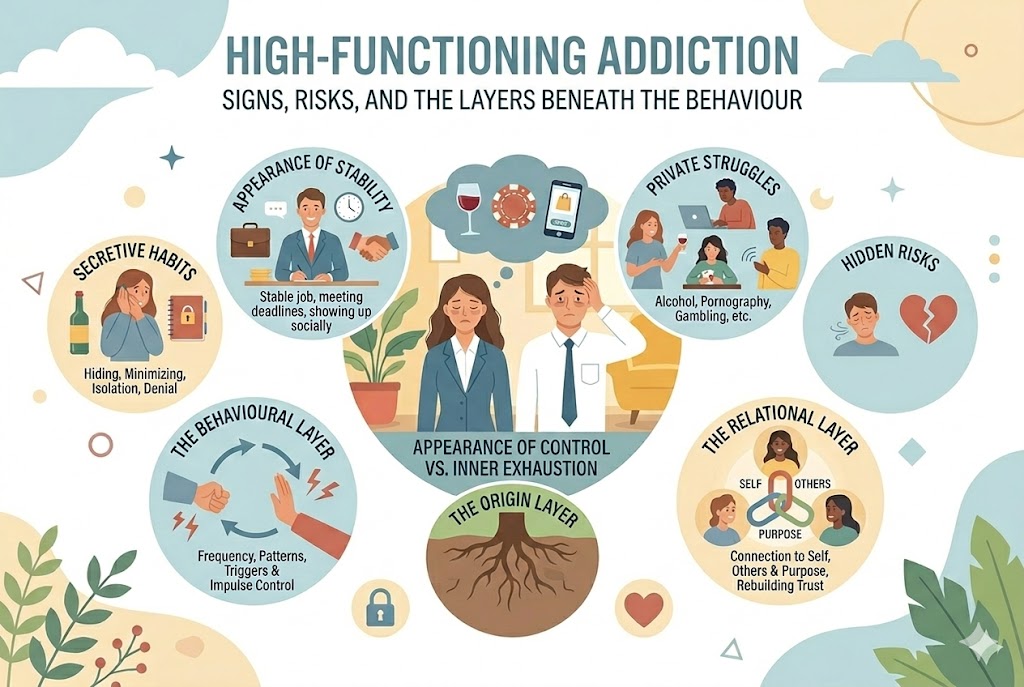
High-Functioning Addiction: Signs, Risks, and the Layers Beneath the Behaviour
5 March, 2026
Addiction isn’t always visible. Some individuals continue to work, parent, meet deadlines, and show up socially – all while privately struggling wi...
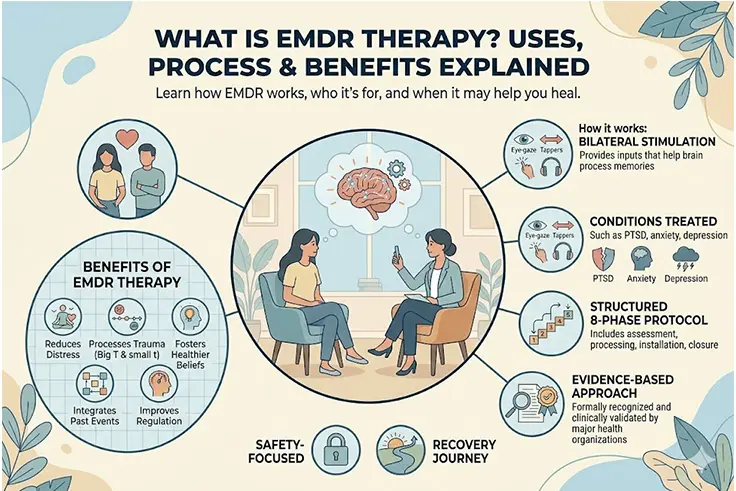
What Is EMDR Therapy? Uses, Treatment & Benefits Explained
2 March, 2026
What is EMDR therapy? EMDR (Eye Movement Desensitisation and Reprocessing) therapy is an evidence-based approach that helps individuals process and heal fr...
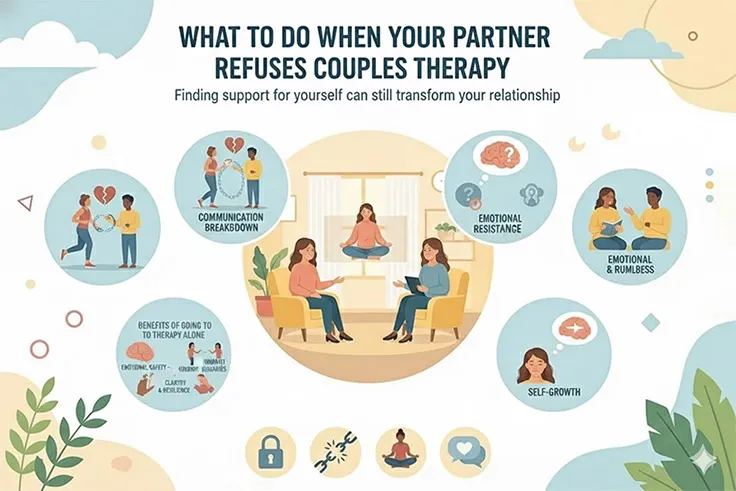
What to Do When Your Partner Refuses Couples Therapy
6 February, 2026
When a partner refuses couples therapy or a partner doesn’t believe in therapy, it can leave you feeling stuck, alone, and carrying the emotional weight ...

