Walking on Eggshells? Finding Your Way in Narcissistic Relationships
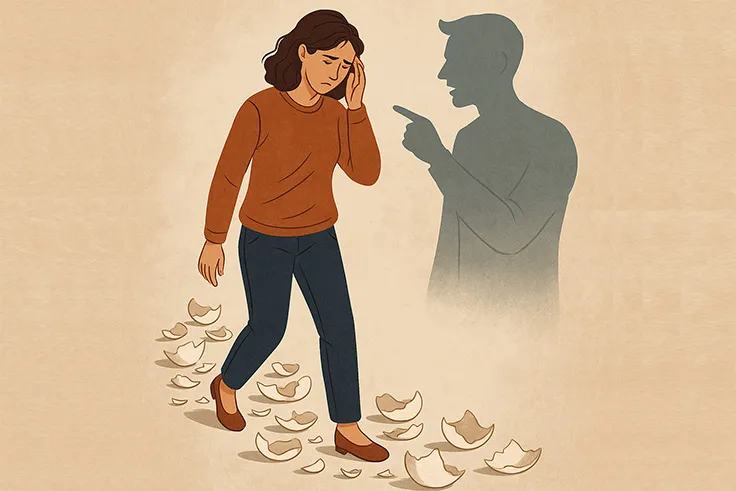
You may have found yourself calling someone close to you a “narcissist” after an argument. For some, this is not merely an expression said in frustration, but a lived reality. Imagine having to constantly think before you speak, feeling like you have to tread carefully, or even believing that their needs must come before your own. Whether this person is your partner, parent, sibling, coworker, or friend, navigating a relationship with someone who exhibits narcissistic qualities can be challenging and painful, leaving you to question your own emotions
Rachel, a 30-year-old working woman, struggles with her husband’s tendency to over-critisise every move she makes, downplay her achievements, all while making her feel like she is “too sensitive” when she reacts to his behaviour. As time passes, Rachel starts to doubt herself and wonders whether she is the issue.
You can regain trust within yourself and improve your emotional control by being aware of usual patterns and experiences in these narcissistic relationships as well as learning useful coping mechanisms.
Understanding Narcissistic Traits
Self-esteem and self-interest are only two aspects of narcissism. According to psychological terms, this type of behaviour consists of:
- Grandiosity: Acting superior to others and exaggerating one’s accomplishments.
- Need for adulation: An incessant craving for validation and a heightened sensitivity to criticism.
- Lack of empathy: Having trouble appreciating the importance of your emotions.
- Manipulation: Constantly ‘guilt–tripping’ or gaslighting to feel in control.
- Entitlement: Demanding special treatment or submissive behaviour from you.
Narcissistic traits exist on a spectrum. Hence, it is more important to consider how their actions affect your wellbeing rather than to categorise it.
Features of Narcissistic Relationships
Relationships with individuals showing narcissistic traits often follow a rollercoaster pattern. This typically involves:
- Love bombing: Intense levels of affection, attention, and promises early on to create a sense of emotional dependency with you.
- Devaluation: Withdrawal of affection, increased criticism.
- Discard: Abruptly distancing themselves from you, or replacing you with another validating source.
- Hoovering: Attempts to pull you back with apologies, guilt, false promises to change.
For instance, Marc, a final year university student, receives extreme attention and praise from his friend Liam while collaborating for a project. Liam’s praises then turn into harsh criticism and dismissal of Marc’s work, leaving him confused and anxious.
Just like Marc, dealing with a narcissistic individual can also make you feel drained, and doubt yourself. This can occur in any setting, whether it’s work, friends, family, romantic relationships.
Enmeshment is another pattern, where boundaries are blurred. You may feel like the narcissist’s problems are your own, lose sight of your individual needs, and overall step into codependent tendencies without realising.
“Am I Being Too Sensitive?”: Recognising that Your Feelings are Valid
“Am I being too sensitive, or are my feelings valid?” is a question that many people in relationships with narcissists ask themselves.
If you are constantly gaslighted and emotionally invalidated, you may begin to doubt your own thoughts and feelings. You might start minimising your reactions, offering an apology for feeling hurt, or ignoring your own needs completely. This can gradually make you feel helpless.
Rachel notices this pattern in her relationship with her husband. Whenever he criticises her, she tells herself “Maybe, I am too sensitive.” However, by reflecting on these experiences, she realises that her feelings are indeed valid, and that the issue lies in the relationship, not her.
Acknowledging that your feelings are valid is the first step to rebuilding trust within yourself. You are not overreacting, you are simply expressing your feelings. Your emotions are alerting you when something isn’t right.
How Narcissistic Relationships May Affect You
Despite the kind of relationship with the narcissistic individual, the psychological and emotional effects are oftentimes similar:
- Hypervigilance: Frequently second-guessing your words and deeds.
- Self-doubt: Questioning your memory, emotions, or reality perception.
- Self-blame: Feeling like you’re at fault for disagreements or their reactions.
- Avoidance behaviour: Acting submissively in order to steer clear of conflict.
- Loss of emotions and identity: Suppressing your values, needs, and desires to maintain the peace.
Marc discovers that he has refrained from making some suggestions for the project because his friend Liam makes fun of them – this is one way that narcissistic behaviour gradually limits his individuality.
Healing Your Relationship With Yourself
Even if leaving the relationship is not immediately possible or safe, there are ways to protect your wellbeing:
- Acknowledge your emotions: Validate your own feelings and experiences.
- Establish boundaries: Determine which behaviours are unacceptable and work on enforcing them.
- Reclaim your identity: Take part in roles, relationships, and activities that nurture your sense of self outside the narcissistic dynamic.
- Seek guidance: Therapy can provide a safe space to speak about your feelings, help you rebuild confidence, and coping strategies.
Rachel starts to journal her feelings, identifying patterns of criticism, and reminding herself that her emotions are normal. On the other hand, Marc begins devoting more time on personal interests, even if his friend neglects him.
The following thoughtful questions can assist you in defining your emotions and goals:
- Who are you outside of this relationship?
- What values and goals are important to you right now?
- What trends have you observed, and how do they affect you?
Finding Your Ground
It can be distressing and complicated to be in a relationship with a narcissist. Nonetheless, you can start navigating these relationships with more agency and self-respect if you can identify common narcissistic traits, learn to validate your own feelings, and rebuild trust within yourself.
Remembering that your needs are important, your feelings are genuine, and that you deserve to be heard is vital. Regardless of the relationship.
Submit a Comment
Your email address will not be published. Required fields are marked *
Recent Blogs
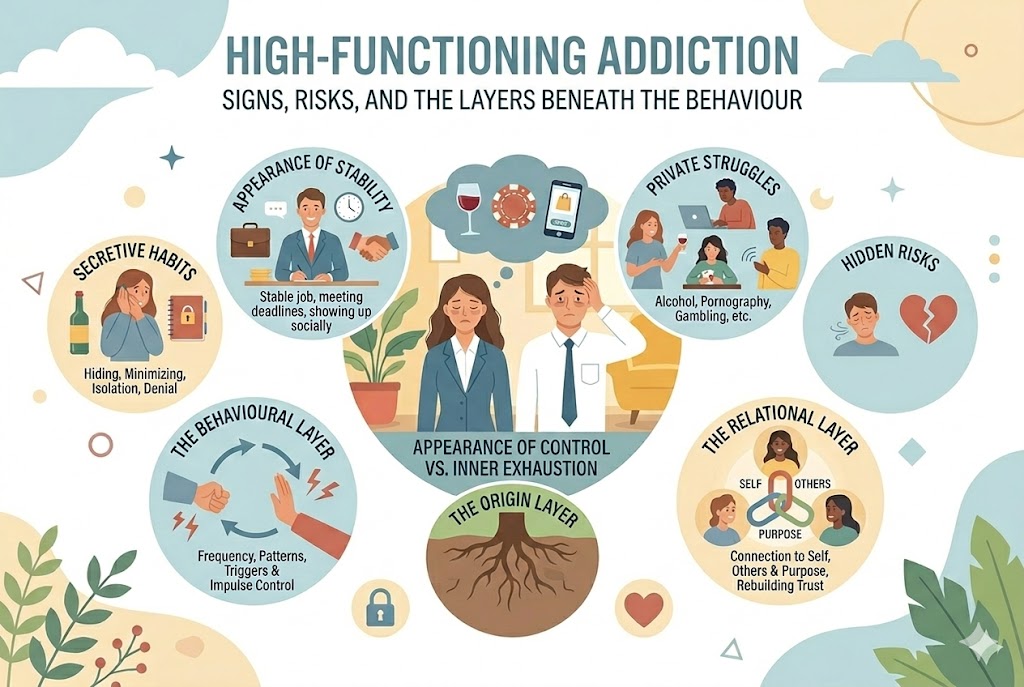
High-Functioning Addiction: Signs, Risks, and the Layers Beneath the Behaviour
5 March, 2026
Addiction isn’t always visible. Some individuals continue to work, parent, meet deadlines, and show up socially – all while privately struggling wi...
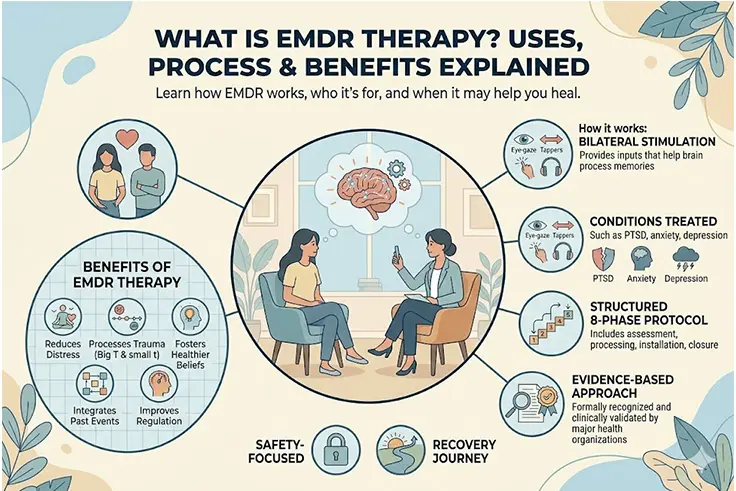
What Is EMDR Therapy? Uses, Treatment & Benefits Explained
2 March, 2026
What is EMDR therapy? EMDR (Eye Movement Desensitisation and Reprocessing) therapy is an evidence-based approach that helps individuals process and heal fr...
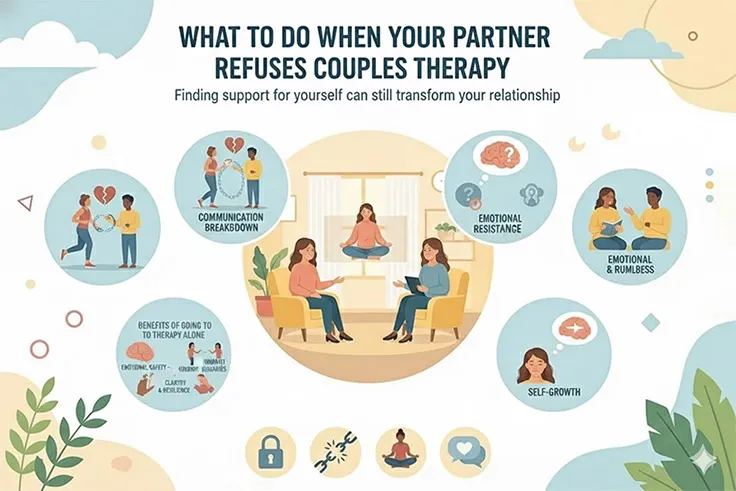
What to Do When Your Partner Refuses Couples Therapy
6 February, 2026
When a partner refuses couples therapy or a partner doesn’t believe in therapy, it can leave you feeling stuck, alone, and carrying the emotional weight ...

